
Antibody-Drug Conjugate Bioanalytical Solutions
Supporting ADC development with scientifically robust, phase appropriate bioanalysis
Supporting Your ADC Development
Antibody-drug conjugates are an increasingly important therapeutic modality, rising from a niche class to a rapidly expanding global landscape. Their complexity demands deep scientific expertise, sensitive assay design, and reliable analytical execution. Synexa provides comprehensive bioanalytical solutions to support ADC programmes from discovery through to late clinical stages, built on more than 20 years of experience in biomarker and bioanalytical science. Our GLP and GCP-accredited global laboratories deliver high-quality, tailored support for emerging and advanced ADC portfolios.
Our ADC Bioanalysis Services

Pharmacokinetics
ADC pharmacokinetics require precise quantification of dynamic, multiple interrelated species, including intact ADC, total antibody, released payload, linker species, and metabolites. Synexa applies LBA, LC-MS/MS, and hybrid approaches to develop and validate fit-for-purpose assays that capture the full PK and PK/PD profile, accounting for ADC heterogeneity, biotransformation, and deconjugation. All studies are performed in GLP/GCP-accredited laboratories in compliance with ICH M10, FDA, and EMA guidelines.
- Component-specific quantification: Custom assays for intact/conjugated ADC, total antibody, free payload, linker species, and relevant metabolites.
- Comprehensive ADC characterisation: DAR-aware assay strategies to monitor biotransformation, deconjugation, and circulating species over time.
- Integrated multi-analyte platforms: Multiplex and orthogonal approaches to enable efficient, high-quality PK data generation across ADC components.
- Phase-appropriate validation: Fit-for-purpose validation from early discovery and non-GLP studies through to fully validated GLP/GCP-compliant bioanalysis for pivotal trials.
- Broad biomarker and platform expertise: 150+ validated biomarker assays supported across diverse ligand-binding and LC-MS/MS platforms.

Immunogenicity Profiling
Synexa delivers integrated humoral and cellular immunogenicity assessments for ADCs, supporting regulatory compliance, safety evaluation, and informed clinical decision-making across development phases.
- Comprehensive tiered ADA strategy: Regulatory-aligned screening, confirmatory, and titer assays, including mechanism-appropriate neutralising antibody testing and evaluation of drug tolerance in the presence of circulating ADC and metabolites.
- Domain-specific ADA characterisation: Targeted assays to distinguish immune responses against the antibody backbone, linker, payload, and potential ADC-specific neoepitopes.
- Cellular immunogenicity assessment: T-cell activation and specificity profiling to evaluate immune responses (e.g., IFN-γ ELISpot, intracellular cytokine staining for IFN-γ, IL-2, TNF-α; flow cytometry-based proliferation assays such as CFSE).
- Integrated immune activation profiling: Olink and MSD multiplex cytokine panels (e.g., IL-6, TNF-α, IL-10, IFN-γ) to evaluate immune activation, integrated with ADA titers and T-cell data for overall immunogenicity risk assessment.

Mechanisms of Resistance
To support translational insight and early risk identification, Synexa leverages advanced in vitro systems to uncover resistance mechanisms to conjugated therapeutics, particularly relevant amid metastatic heterogeneity and the rise of multi-payload designs.
- In vitro resistance modelling: Cyclical ADC exposure in cancer cell lines to mimic clinical dosing and monitor resistance emergence (e.g., altered HER2 or CD22 expression, MDR1 upregulation).
- Integrated multi-omics characterisation: Olink proteomics and complementary omics approaches to identify molecular drivers and pathway adaptations (e.g., Bcl-2 family proteins, PI3K/AKT pathway, apoptosis markers).
- Multi-payload evaluation strategies: Functional assays to assess synergistic or complementary activity of dual/multi-payload ADCs in mono-payload–resistant models (e.g., DNA-damaging plus microtubule-targeting payload combinations, payload-specific apoptosis markers).

Safety & Toxicity Evaluation
Predict and assess ADC hematotoxicity, off-target damage, and immunogenicity risks to ensure safe progression.
- Hematotoxicity: Ex vivo progenitor assays and longitudinal flow cytometry to predict neutropenia/thrombocytopenia (e.g., CD34+ bone marrow progenitors, neutrophil lineage markers such as CD15, CD16).
- On-target/off-tumour: Soluble target measurement (e.g., ELISA, MSD), payload internalisation, and free payload detection (LC-MS/MS and hybrid approaches) to evaluate off-tumour exposure.
- Cytokine release: Multiplexed panels and kinetic monitoring to assess cytokine release syndrome (CRS) risk (e.g., IL-6, TNF-α, IFN-γ in PBMCs or serum, using MSD or Olink).
- Antibody-dependent cellular cytotoxicity (ADCC): Cell-based assays to measure immune-mediated killing and off-target cytotoxicity (e.g., NK cell degranulation CD107a).
ADC Bioanalytical Platforms
Our technology platforms are robust, reliable and reputable in the clinical field and provide comprehensive and detailed data readouts for your ADC therapeutic.
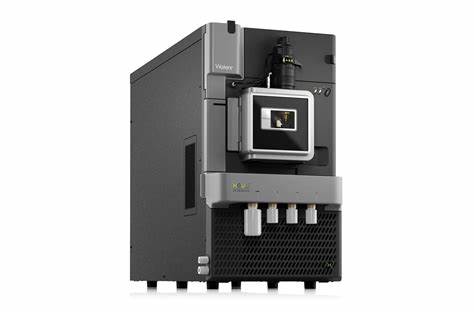
Waters T-QS LC-MS/MS
Tandem mass spectrometry system for sensitive, quantitative small molecule bioanalysis
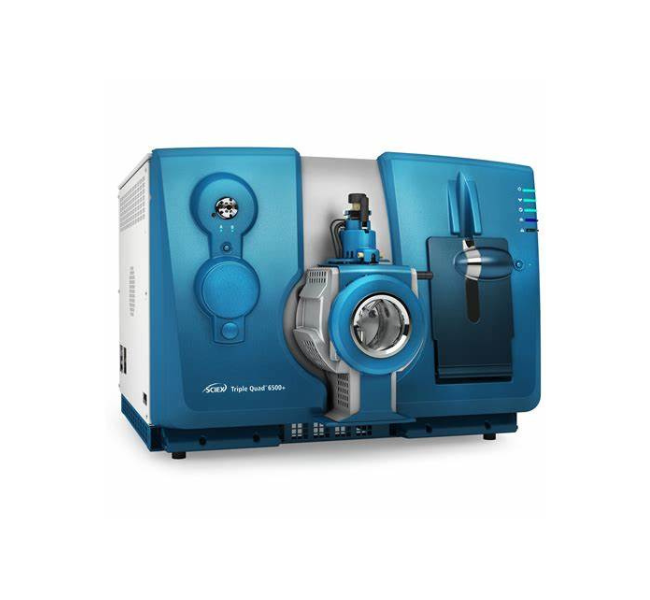
Sciex 6500+
Triple quadrupole mass spectrometer for highly sensitive, quantitative bioanalysis
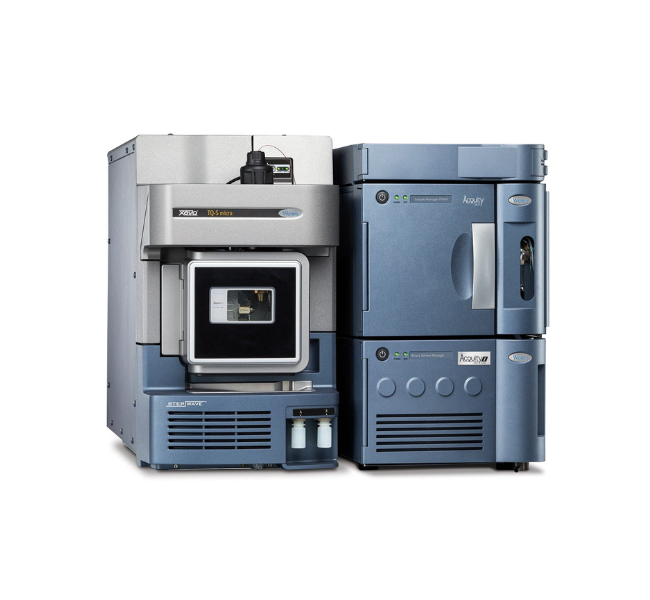
Waters Premier I-Class UPLC
Ultra-performance liquid chromatography system delivering high-resolution compound separation
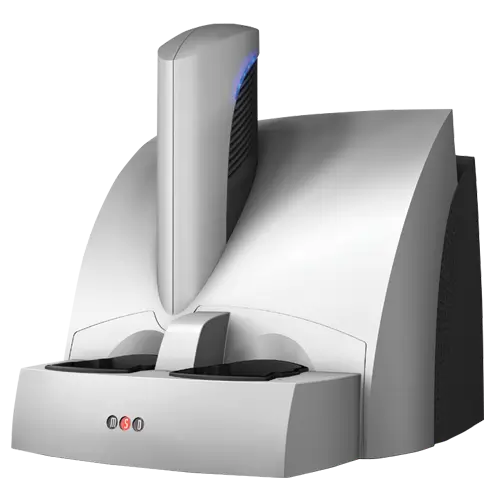
MSD S600
High-throughput electrochemiluminescence reader for sensitive multiplex biomarker detection
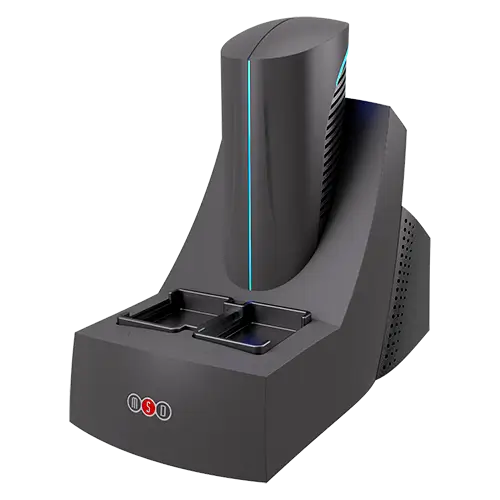
MSD SQ 120
Compact MSD reader enabling robust electrochemiluminescent immunoassays
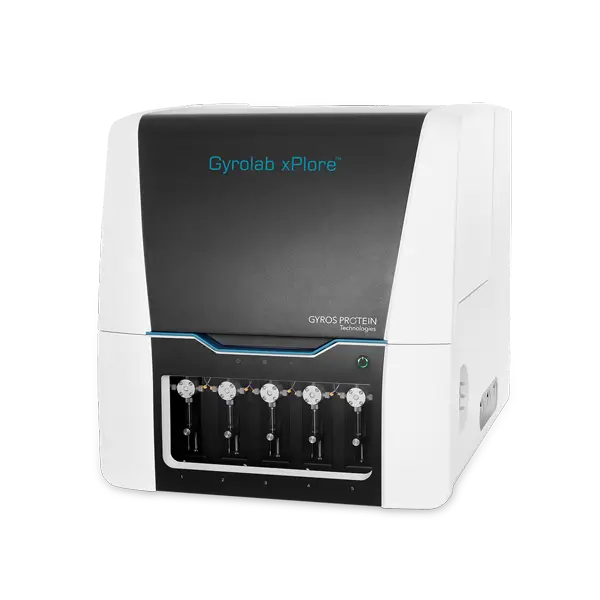
Gyrolab xPlore
Automated nanolitre-scale immunoassay platform for rapid, low-volume protein biomarker analysis
FAQ
What are Antibody-Drug Conjugates (ADCs)?
Antibody‑drug conjugates are complex targeted medicines that link a monoclonal antibody to a potent drug payload to deliver treatment directly to specific cells. ADCs are designed to improve precision while reducing harm to healthy tissue
What services does Synexa offer for ADC bioanalysis?
Synexa provides comprehensive, phase‑appropriate bioanalytical and translational services for ADCs, including pharmacokinetics, immunogenicity, resistance analysis and toxicity evaluation.
What technologies does Synexa utilise for ADC bioanalysis?
Synexa utilises advanced UPLC-MS/MS and immunoassay platforms, including Waters I-Class systems, Sciex Triple Quad instruments and MSD, AlphaLISA, ELISA, DELFIA and Gyrolab technologies, to deliver high quality ADC bioanalysis.
More on ADCs

Advancements in Antibody Therapies for Multiple Sclerosis

Establishing Biosimilarity: Regulatory and Scientific Expectations
Antibody‑Drug Conjugates (ADCs): The Tipping Point

A controlled detonation: Targeted antibody drug conjugates (ADCs) for oncology

A Brief Introduction To Novel Modalities
Improving the quality of human health
Contact us
Discuss biomarker and bioanalytical solutions to accelerate your therapeutic pipeline