We are excited to share that the results of a groundbreaking Phase 1b clinical trial for IBC-Ab002 have been published in Nature Medicine. This first-in-human study explores a novel, intermittent approach to treating early Alzheimer’s disease (AD) by targeting the peripheral immune system.
Unlike traditional therapies that directly target amyloid plaques, IBC-Ab002 is a short-lived anti-PD-L1 antibody designed to “re-awaken” the body’s own immune system. By providing transient, intermittent blockade of the PD-1/PD-L1 pathway, the treatment encourages the recruitment of protective peripheral immune cells to the brain to resolve neuroinflammation and support neuronal health.
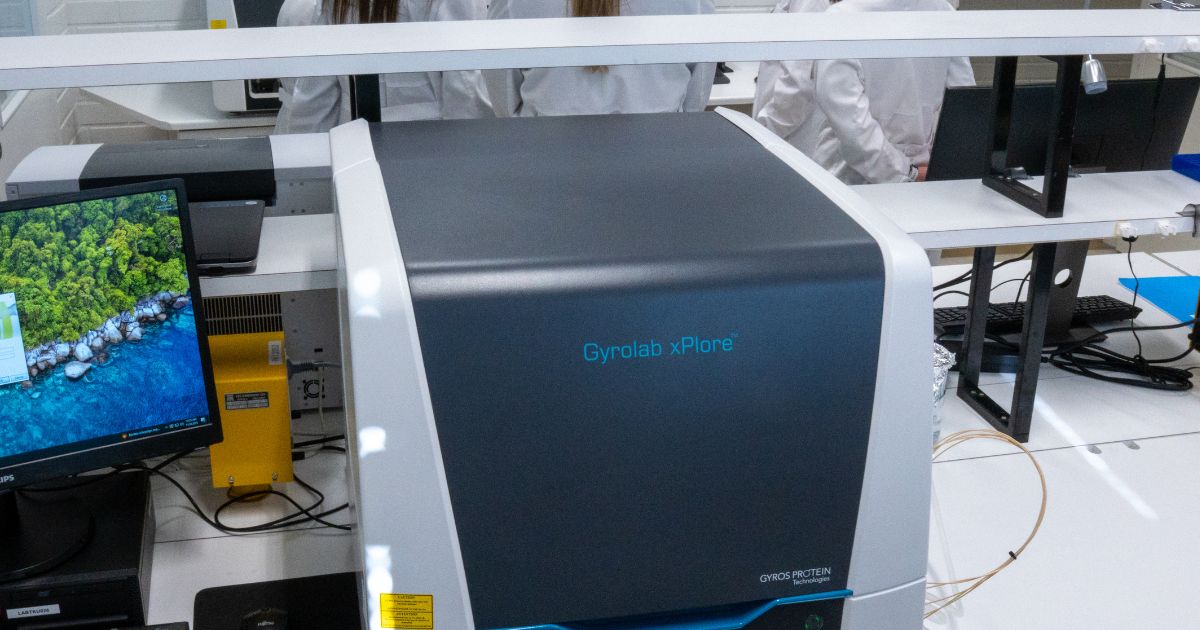
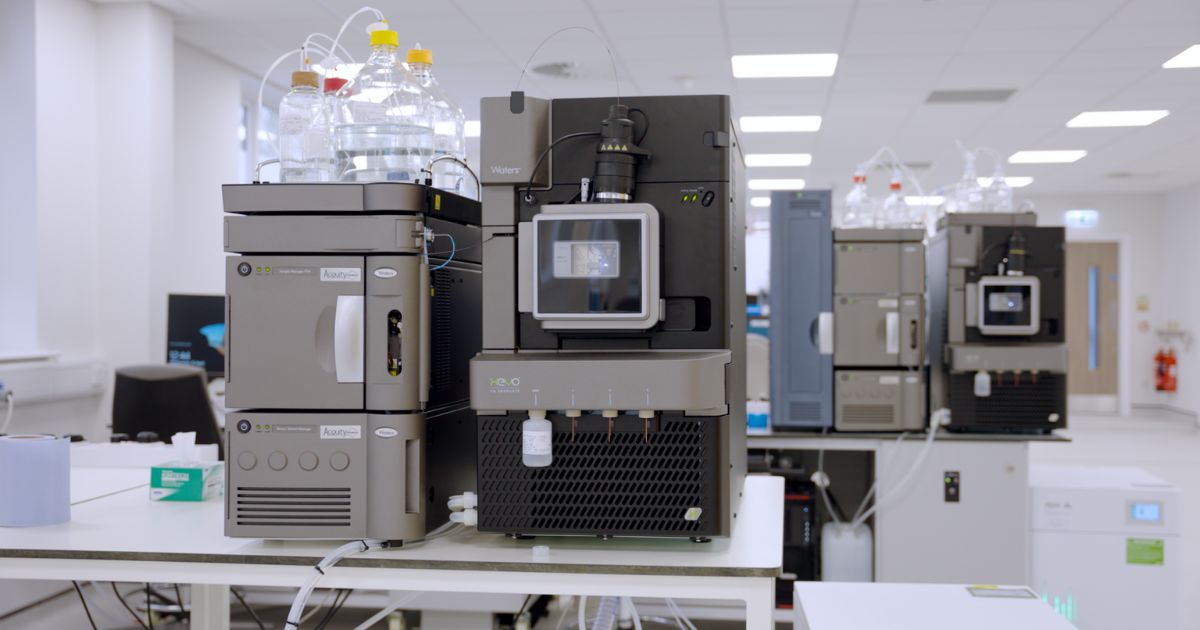
Our team at Synexa was responsible for developing and validating the key assays that tracked how IBC-Ab002 interacted with the participants’ immune systems:
✅ Pharmacokinetics (PK): We used a tailor-made, validated method on the Meso Scale Discovery (MSD) platform to quantify serum concentrations of IBC-Ab002, confirming its intended short-lived profile.
✅ Target Engagement: Our validated flow cytometry assay measured PD-L1 receptor occupancy (RO) on circulating T cells, providing essential data on how effectively the drug was engaging its target at various doses.
✅Immunogenicity (ADA): We performed a validated, tiered assessment of anti-drug antibodies, confirming that while ADAs were detected in 63.3% of participants, they had no appreciable effect on the drug’s exposure or clearance.
✅Immunophenotyping: Our team monitored the transient activation of peripheral immune cells (specifically PD-1+ICOS+ on CD4+ memory T cells), providing evidence of the successful immune “re-awakening” intended by the therapy.
Key Findings from the Phase 1b Trial
The study, which enrolled 40 participants across escalated dose cohorts (1–30 mg/kg), demonstrated several promising outcomes:
✅ Safety and Tolerability: The treatment was well tolerated, with no treatment-related serious adverse events and, importantly, no evidence of ARIA (amyloid-related imaging abnormalities).
✅ Biomarker Signals: At the highest dose (30 mg/kg), exploratory analyses showed encouraging directional reductions in CSF biomarkers of neuronal and synaptic damage, including neurogranin, total tau, and pTau181.
✅ Unique Profile: The data confirmed that intermittent dosing every 12 weeks successfully initiated the intended immune response without the need for continuous exposure.
Looking Ahead
These results provide a strong foundation for the further clinical development of IBC-Ab002. We are honoured to have collaborated with ImmunoBrain on this potentially transformative therapy.
👏 Congratulations to the ImmunoBrain team on this milestone publication!
Read the full article here: Immunotherapy with a short-lived anti-PD-L1 antibody in Alzheimer’s disease: a phase 1b, randomized, double-blind trial | Nature Medicine