
Flow cytometry is a powerful analytical method for a wide range of applications in preclinical and clinical research. By enabling rapid, high-content cellular analysis from limited sample volumes, flow cytometry helps drug developers make earlier go/no-go decisions, reduce development risk, and accelerate preclinical timelines.
It is used across cell cycle analysis, drug development, immunophenotyping, immune monitoring, biomarker discovery and the evaluation of immunotherapy candidates.
In these applications, flow cytometry has become a true ‘game changer’. In this blog, we explore how flow cytometry accelerates preclinical trials and why it is now an essential tool in modern drug development.
What Is Flow Cytometry?
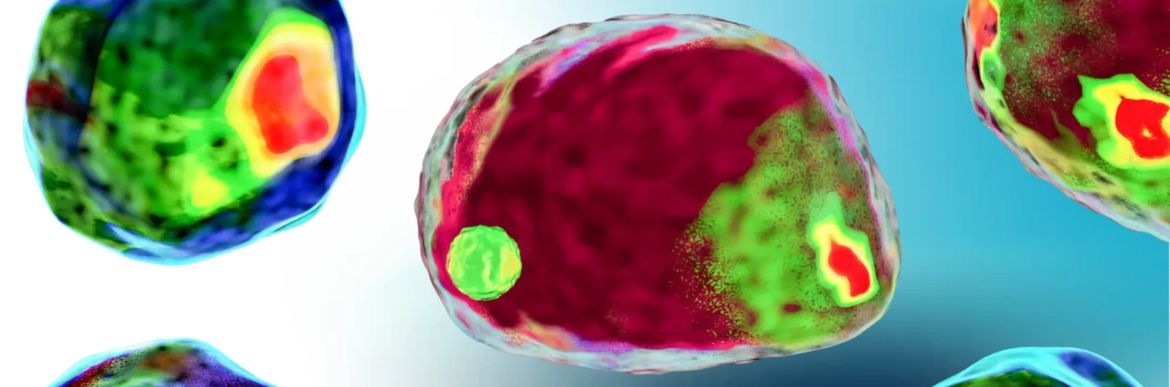
Flow cytometry is a technique used to detect, analyse and measure the physical and chemical characteristics of individual cells within heterogeneous populations. It enables detailed cellular insights that support cell counting, immune response assessment, phenotyping, viability testing and functional analysis.
How Flow Cytometry Works
- Sample Preparation: Cells are isolated from blood, tissue or cell culture and labelled with fluorescent markers specific to cellular targets of interest.
- Laser Interrogation: Cells are suspended in a fluid stream and pass individually through one or more laser beams within the flow cytometer.
- Data Acquisition and Analysis: As cells interact with the lasers, emitted fluorescence and scattered light are detected. This data provides information on cell size, complexity and marker expression, allowing multiple characteristics to be measured simultaneously on a cell-by-cell basis.
How Is Flow Cytometry Used to Accelerate Preclinical Trials?
In preclinical research, flow cytometry supports a wide range of critical activities, including characterising tumours, profiling immune cell subsets and measuring drug-induced biological effects.
Recent technological advancements have significantly expanded the power of flow cytometry. Modern platforms allow an increasing number of parameters to be analysed from a single sample, generating high-quality, reproducible data at speed.
This capability directly accelerates preclinical programmes by enabling faster, more informed decision-making.
Key Benefits in Preclinical Studies
- Accurate and reproducible cell counting
- High-throughput sample processing
- Multi-parameter assays from limited material
- Standardised and preformatted panels
- Reduced operator time and error
- Simultaneous analysis of multiple individual cells
By replacing manual and time-consuming techniques, flow cytometry enables streamlined workflows and the evaluation of larger study cohorts. This supports faster progression from discovery to candidate selection.
Preclinical Use Cases That Drive Decision-Making
Flow cytometry is particularly valuable when preclinical teams need actionable data to guide development decisions:
- Mechanism of Action Studies: Immune cell profiling to confirm biological activity and target pathways.
- Dose Optimisation: Receptor occupancy and functional readouts to support PK/PD modelling.
- Oncology Research: Characterisation of the tumour microenvironment.
- Biomarker Development: Identification and validation of translational biomarkers aligned to clinical endpoints.
These applications help bridge the gap between preclinical and clinical development by generating data that is both biologically meaningful and translationally relevant.
Addressing Common Preclinical Challenges
Preclinical studies often face constraints such as limited sample availability, inter-study variability and challenges in translating findings into the clinic. Advanced flow cytometry addresses these pain points by enabling high-content analysis from small samples.
It delivers consistent results across studies and supports assay standardisation from preclinical to clinical phases.
Emerging Trends in Preclinical Flow Cytometry
The role of flow cytometry continues to evolve, with several key trends shaping its future. These include the adoption of high-parameter panels for deeper immune profiling, increased standardisation to support translational continuity from preclinical to clinical development, and integration with complementary technologies such as imaging and other omics approaches.
Together, these advances are enabling organisations to generate richer, more biologically meaningful datasets while maintaining speed, reproducibility and data quality.
Flow Cytometry at Synexa
At Synexa, we specialise in bespoke flow cytometry panels designed to accelerate early-phase preclinical, translational and clinical development. Our assays are tailored to specific study objectives and aligned across species to support confident progression through the drug development pipeline.
We offer robust, validated platforms and a comprehensive portfolio of analytical assays, including functional assays, phosphor-flow, immuno-profiling and phenotyping assays, and target engagement assays.
Our focus is on delivering high-quality, decision-enabling data with rapid turnaround times and regulatory-ready outputs.
If you are looking to accelerate your preclinical programme with high-quality, translational flow cytometry data, speak to our experts.
FAQ
How can flow cytometry accelerate early pre‑clinical decision‑making compared to traditional cell characterisation methods?
Flow cytometry allows simultaneous multi‑parameter analysis of individual cells, enabling rapid characterisation of immune subsets, phenotype, viability and functional state in a single assay.
This replaces slower manual or single‑parameter methods, shortening feedback cycles during candidate ranking or mechanism‑of‑action studies.
High‑parameter platforms and bespoke panels allow teams to extract deep mechanistic insights early, such as identifying pharmacodynamic shifts or immune activation profiles, so weak candidates can be deprioritised quickly.
This accelerates early decision‑making and reduces costly downstream attrition.
What practical advantages does flow cytometry offer to streamline pre‑clinical throughput and sample management?
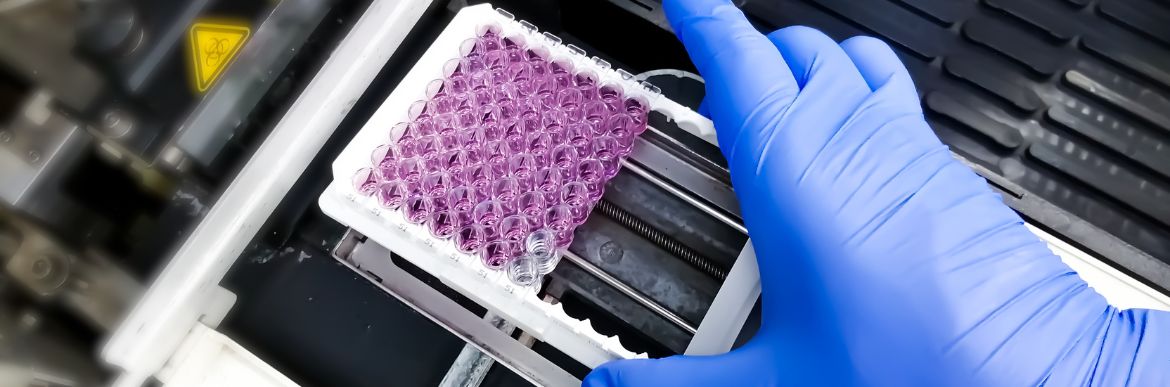
Modern flow cytometry instruments support compact, high‑throughput workflows that reduce operator time and minimise error while enabling multiple markers to be analysed in a single run.
Synexa’s validated platforms and sample‑management systems ensure site‑ready processing, reproducible data generation, and efficient batching of large study volumes.
This is especially valuable when screening multiple dose levels, timepoints or models where rapid turnaround is essential for programme progression.
By combining automation, multi‑parameter readouts and robust QC, Synexa enables faster, more scalable pre‑clinical study execution.
How does Synexa tailor flow cytometry panels to ensure translational relevance from pre‑clinical models into clinical studies?
Synexa designs bespoke panels that map mechanistic pathways, immune signatures, and cell‑state shifts relevant to the therapeutic modality.
This ensures that pre‑clinical markers can later transition into translational and clinical assays.
Our scientists align panel design with target biology, species‑specific constraints, and downstream PK/PD needs such as receptor occupancy, functional cytokine responses, or cytotoxic markers.
Because Synexa validates assays to CLSI H62 guidelines, pre‑clinical data can be confidently integrated into later clinical decision frameworks without redevelopment.
This continuity bridges the translational gap and supports smoother progression from discovery into human trials.